20% OFF NEW SKETCHUP LICENSES
Save on SketchUp Pro or SketchUp Studio. Offer available to new and existing customers purchasing a new license. Not vaild on renewals. Use code NEWSKETCHUP20 at checkout.
Save Now
Save on SketchUp Pro or SketchUp Studio. Offer available to new and existing customers purchasing a new license. Not vaild on renewals. Use code NEWSKETCHUP20 at checkout.
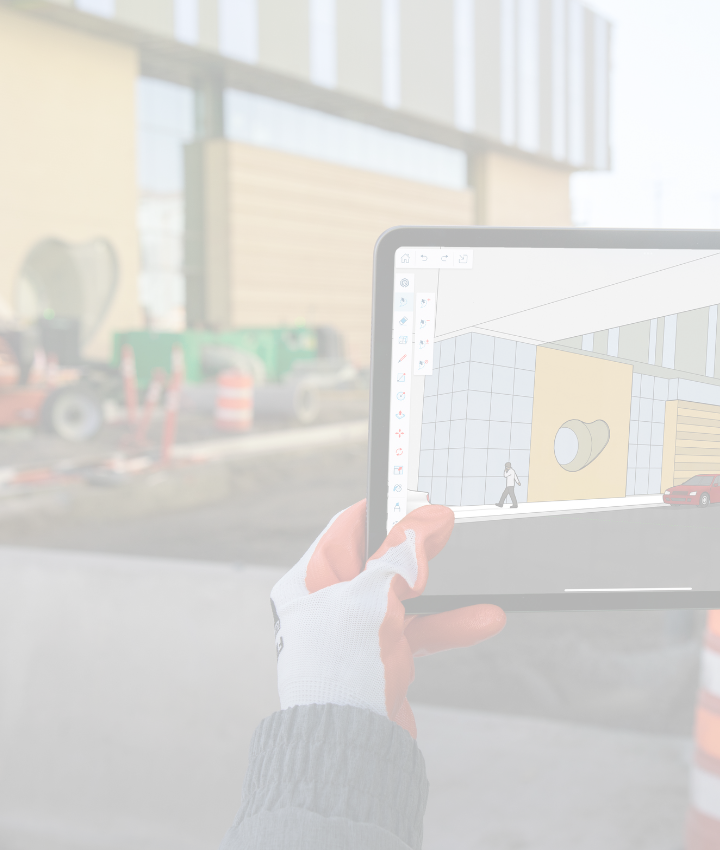
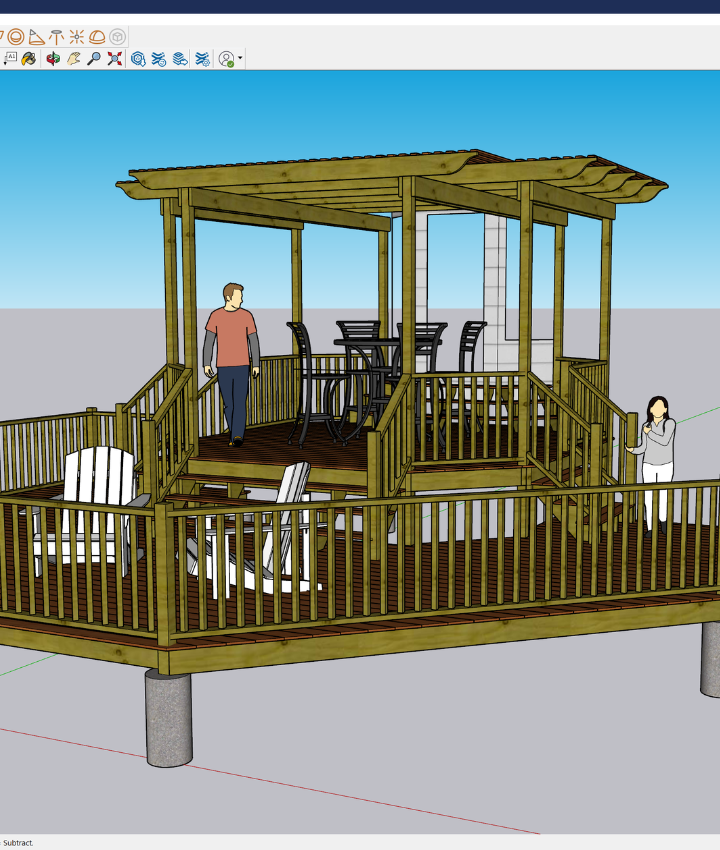
Save NowSketchUp is a versatile and intuitive 3D modeling software ideal for architects, designers, engineers, and hobbyists alike. With its user-friendly interface and powerful tools, SketchUp enables users to effortlessly create, visualize, and communicate their design ideas in stunning detail.
Whether you're crafting architectural plans, interior designs, woodworking projects, or intricate models for 3D printing, SketchUp offers the flexibility and precision needed to bring your imagination to life. Perfect for professionals seeking efficient design solutions or beginners exploring the world of 3D modeling, SketchUp empowers creativity at every level.
SketchUp 2024 arrives with groundbreaking updates that not only enhance visual realism within the application but also introduce innovative features...
Read MoreThe release of Maya 2025 brings a slew of innovative features and updates that are set to redefine the landscape...
Read MoreEnscape stands out as a cutting-edge real-time rendering and virtual reality plugin, tailor-made for professionals in architecture, engineering, and construction...
Read MoreStay up to date on the latest product updates and promotions.